
Rehabilitation projects
Willingness to extend the life of buildings
We tackle rehabilitation projects with the aim of extending the useful life of pre-existing buildings and improving their comfort and habitability conditions.
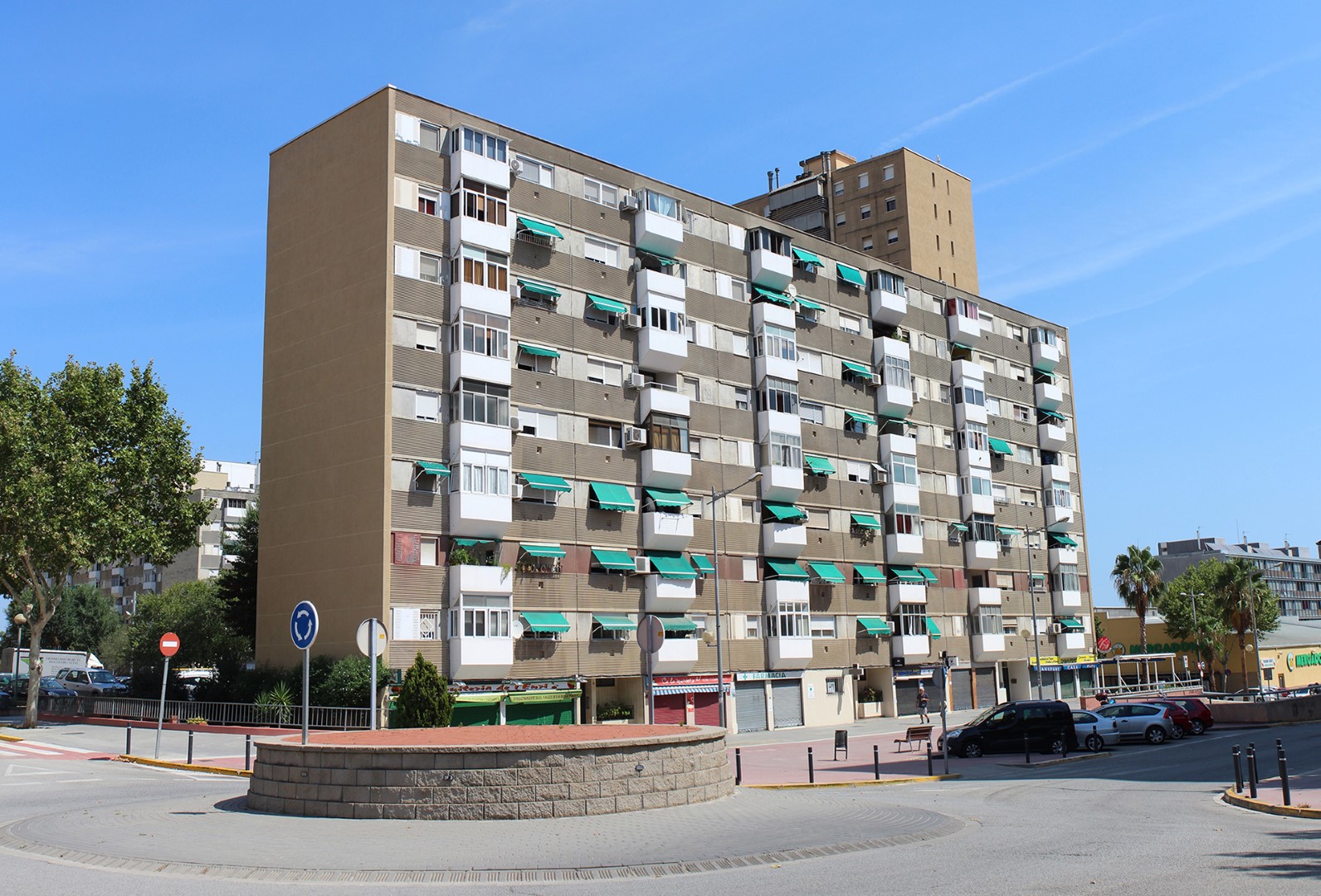
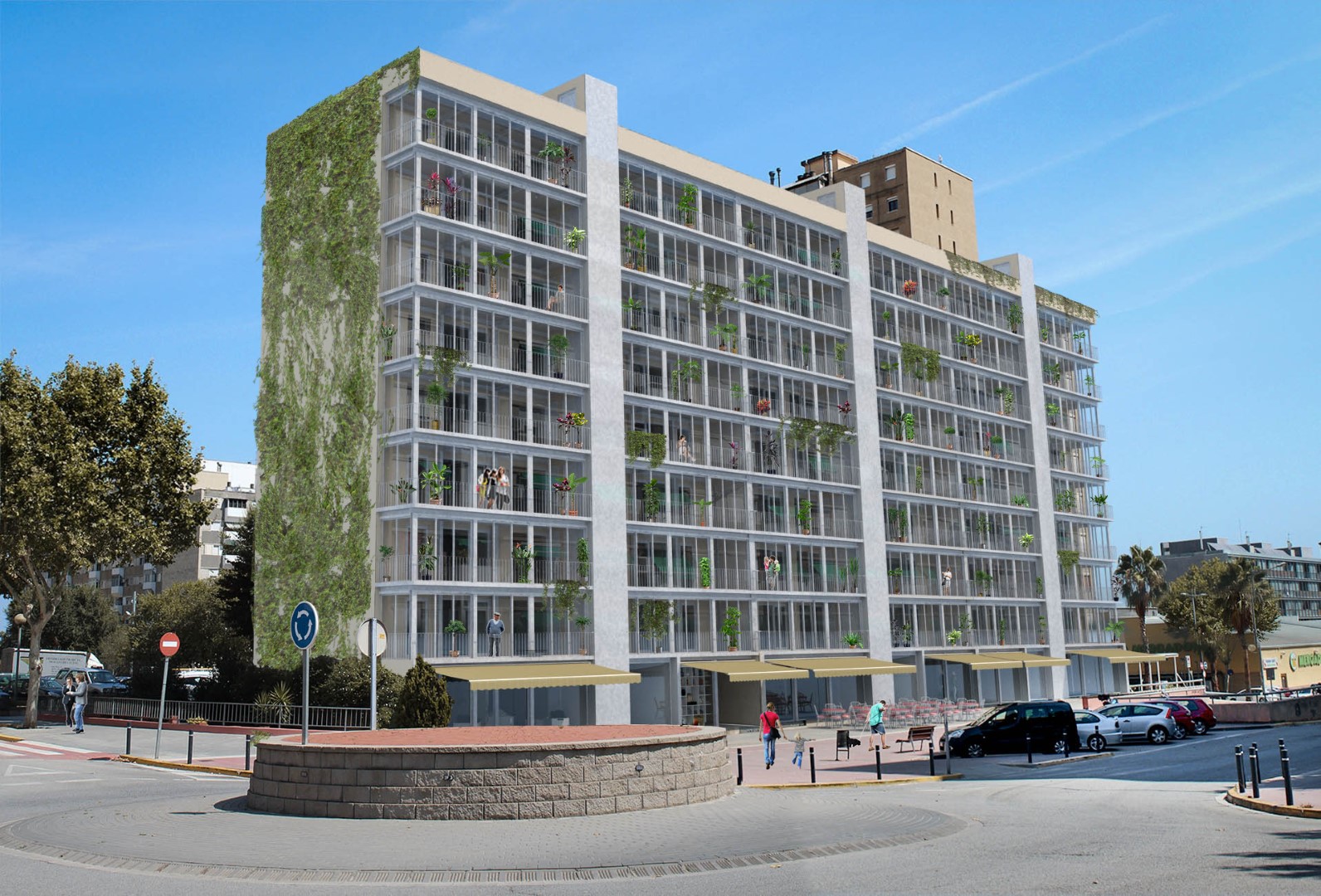
Reducing the ecological impact of housing in our region requires the refurbishment and energy retrofit of the existing building stock. Much of it was built before energy-efficiency criteria became standard and includes materials that may be harmful to health, as well as significant accessibility shortcomings.
For these reasons, our areas of action to carry out projects and evaluate the results are:
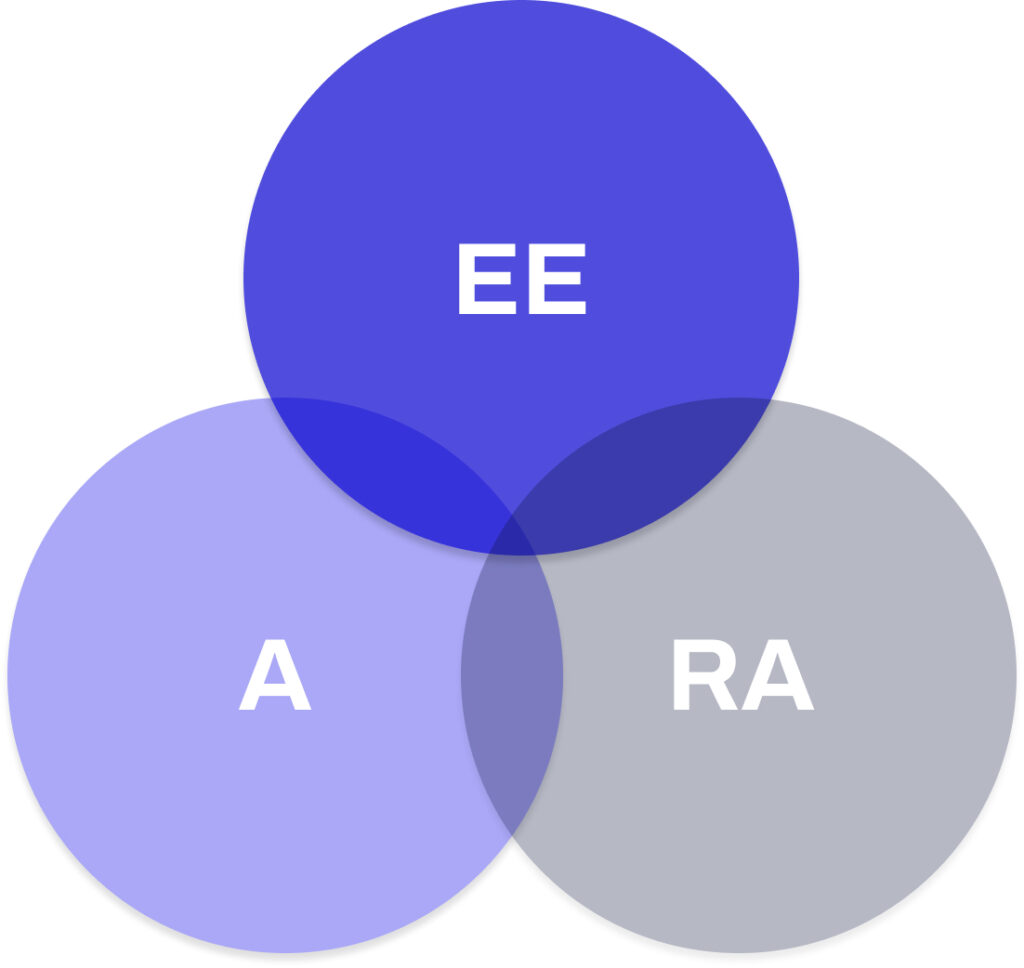
Accessibility guarantee (A)
Energy efficiency improvement (EE)
Asbestos removal management (RA)
Accessibility is a basic right that must be guaranteed in housing, which is why our rehabilitation projects address accessibility shortcomings in older buildings, whether through new lifts, stair adaptations, or the use of auxiliary elements integrated into the building.
Improving energy efficiency is essential to reduce the ecological footprint of buildings, which account for approximately 38% of global emissions according to UNEP.
Asbestos is a carcinogenic material that, unfortunately, is present in many of the residential buildings in our area. This situation arises in numerous building rehabilitation projects constructed between the 1950s and 1970s, and for this reason we are trained to handle the specific requirements of its removal process.
Accessibility guarantee (A)
Accessibility is a basic right that must be guaranteed in housing, which is why our rehabilitation projects address accessibility shortcomings in older buildings, whether through new lifts, stair adaptations, or the use of auxiliary elements integrated into the building.
Energy efficiency improvement (EE)
Improving energy efficiency is essential to reduce the ecological footprint of buildings, which account for approximately 38% of global emissions according to UNEP.
Asbestos removal management (RA)
Asbestos is a carcinogenic material that, unfortunately, is present in a large part of the residential buildings in our area. This situation causes it to appear during many of the rehabilitation projects of buildings built between the 50s and 70s and for this reason we are trained to manage the particularities of its removal process.